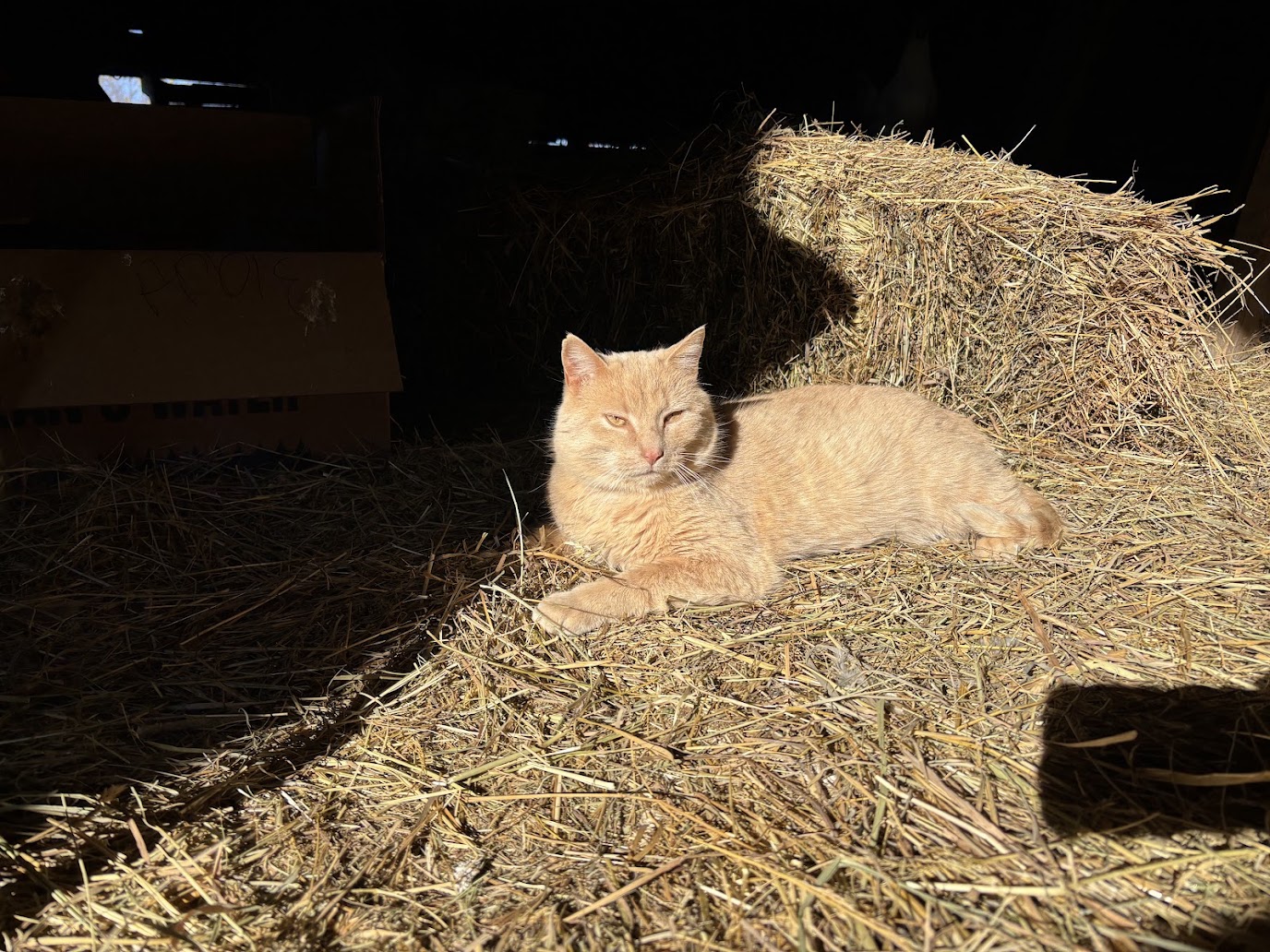
This story serves as an example of how leadership can come from unexpected places, and often we get better results by leading from the front instead of pushing from behind.
Moving the Cow
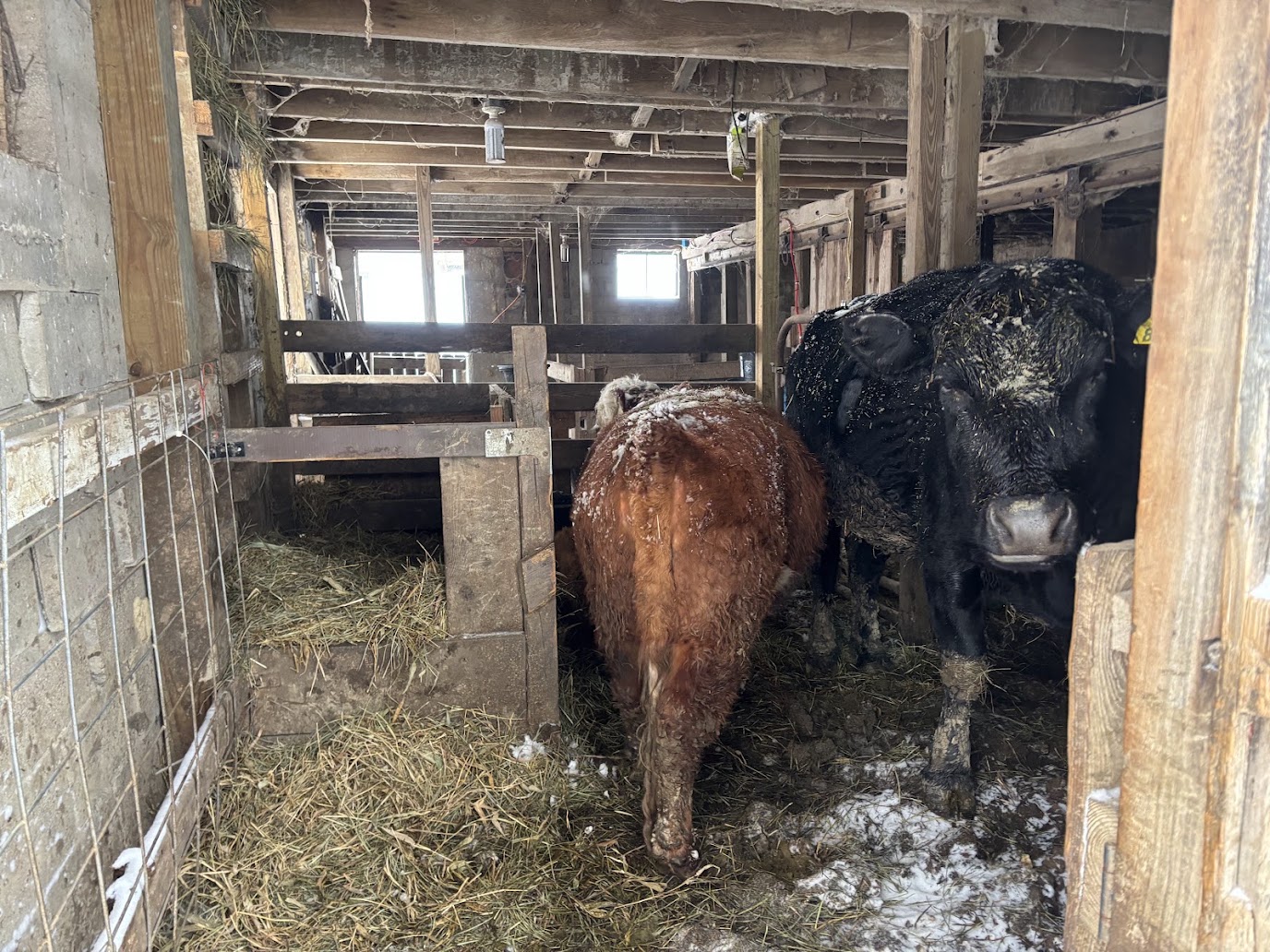
In the spring, we had an older cow that was set to return to my dad’s farm. She had been living at my house for about a year, hoping she was with calf. Unfortunately, she was not, and it was time for her to return to her home.
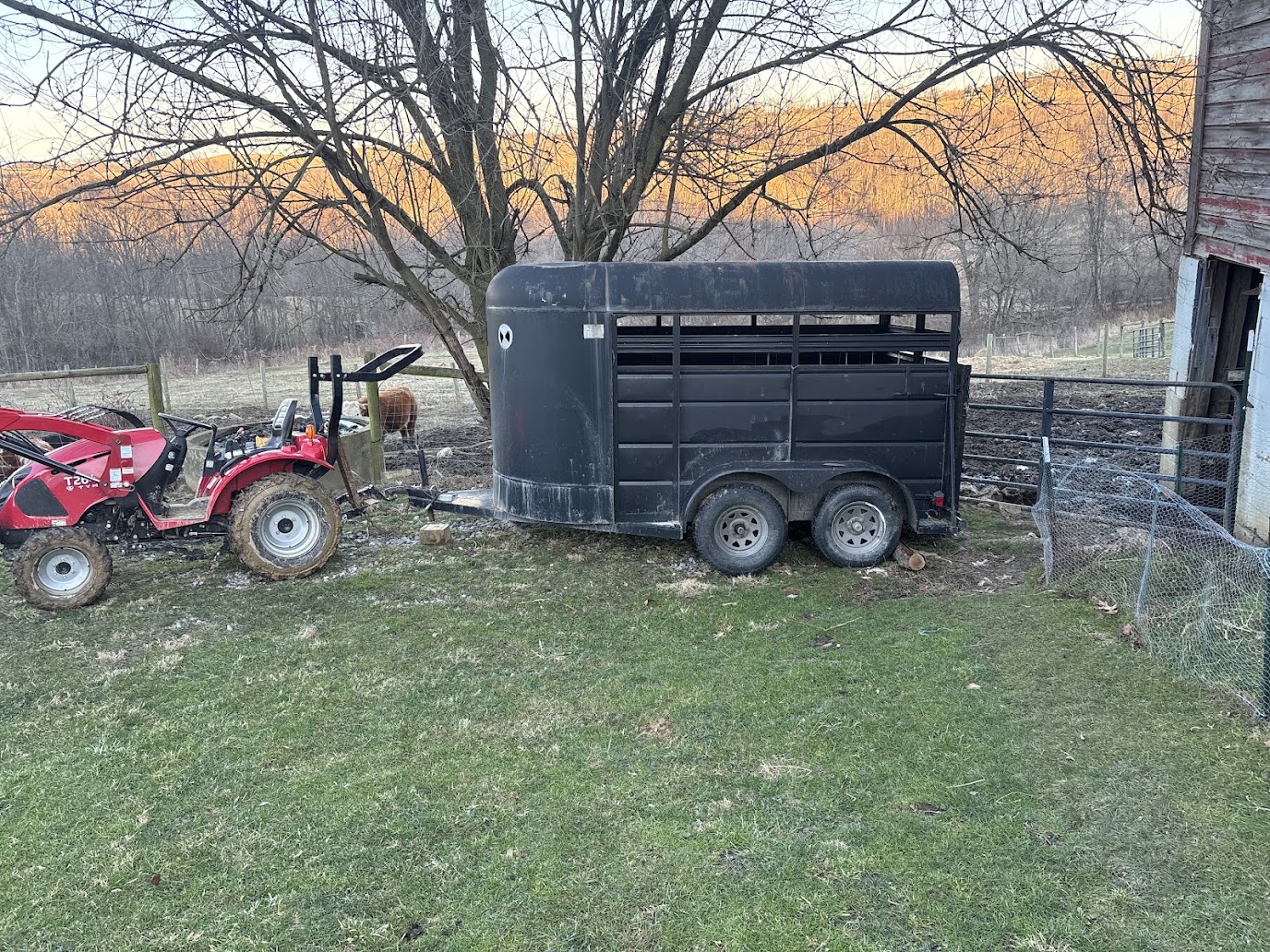
The situation was, I had to get the cow from inside my barn, through a fairly narrow door, and into my stock trailer. There are a few truths about cows. First off, there is not any point in my life where, if a cow didn’t want to move, I use brute force to move it. The other truth is that cows are not overly inclined to go through tight spaces and into enclosed trailers.
The Stubborn Cow
Typically, the plan is to get them moving through the narrow passages and into the trailer before they realize where they’ve gone. If you can get them into the trailer before they realize they’ve moved, and then close the door, you’re set. That was my plan, I’ve done it before, and I’m ready to do it again.
The big day arrives, and I had my trailer set up, my pathway laid out, and the cow is in the barn. I follow my original plan, open the door, and get behind the cow to shoo it down the pathway I had laid out.
As planned, the cow moves through the door and starts into the trailer. I am feeling good, I laid out the pathway and the cow is following it just as I planned. However, not planned, as the cow gets closet to my planned destination, she trips walking up the ramp. This immediately change the calculus, and the abrupt introduction of a challenging situation and the discomfort with the new environment caused the cow to now resist the plan. She immediately backs up, straight back through the door and back into the barn when we had begin. Now, the element of surprise is gone, and it’s just me, a 1,400lb cow, and a narrow door that the cow has no interest in trying to go through again. The pathway had been built, obstacles had been cleared, but unexpected challenges led to opposition.
The Destination
You Can’t Push A Cow
At this point, I am trying every trick in the book to get movement from the cow. I’ve tried to entice the destination by placing feed in the trailer, showing a reward for the cow going through with my plan. I’ve gotten behind the cow, applying force trying to push it towards that destination, and received nothing but an odd glance back and a snort. I’ve taken a gate, closed off all other avenues, hoping that showing this as the only possible destination will entice the cow, and that doesn’t help to provide any encouragement.
At this point, I’m exhausted, the cow has become stressed and more dug in, and we’re both perplexed. I’ve tried everything I know of to force this cow to move forward, and no matter how much I push, no matter how much I apply pressure, and how much I put treats into the end point destination, there is no movement.
The Hero
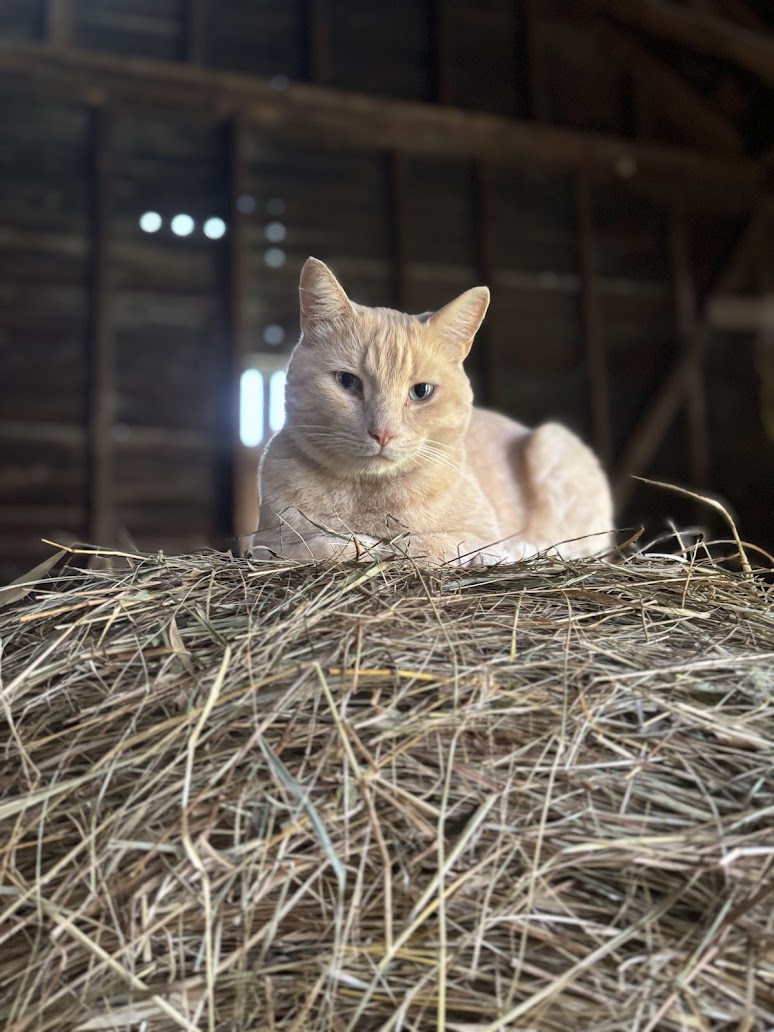
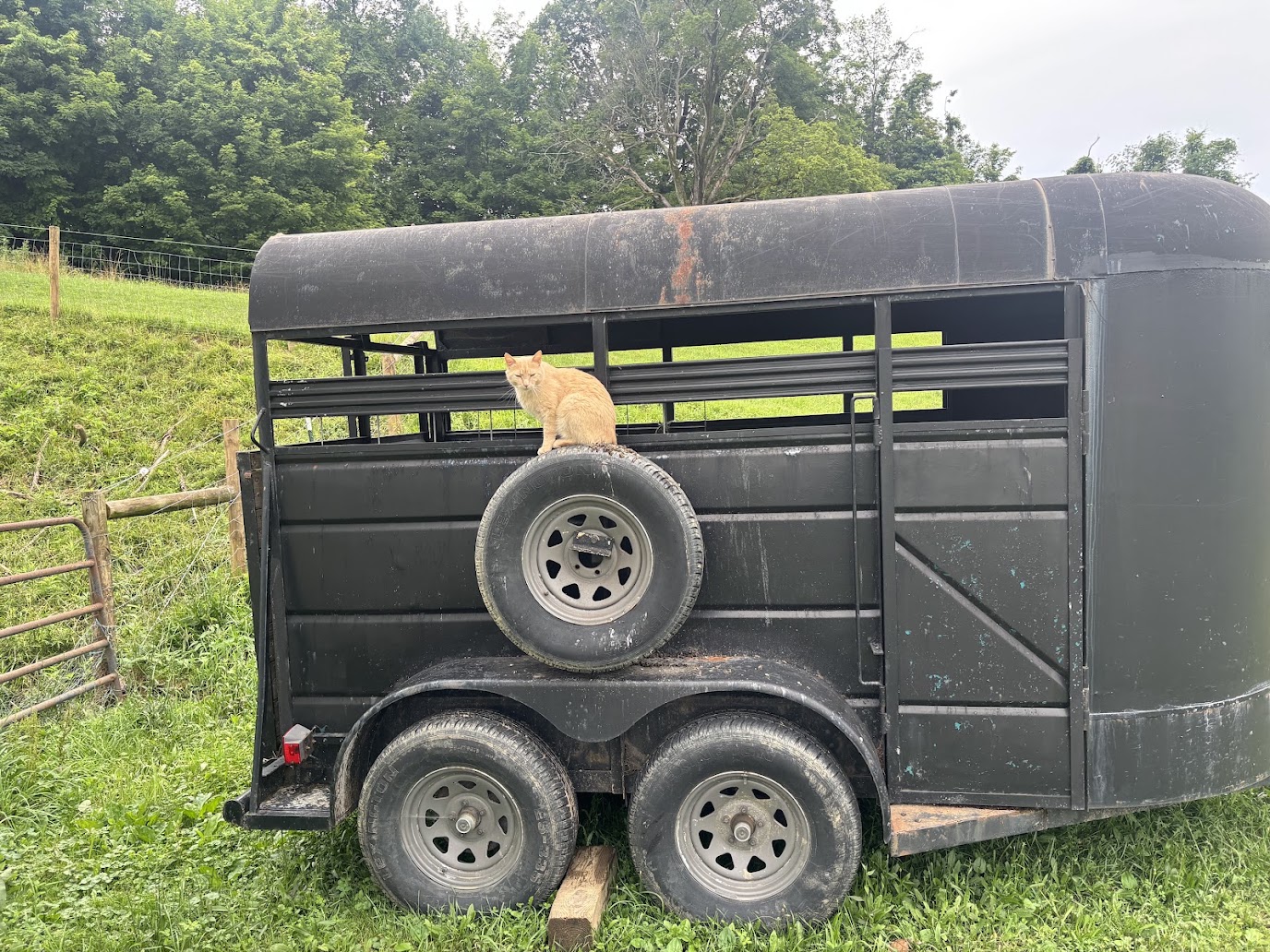
I stood there, arms on the fence, sighing and wrapping my head around the situation. I am looking at the cow, staring at the door, and an interesting thing happens. Out the door, I see Mee, one of our two barn cats, walk down the gate, hop down into the pathway I had built, and walk straight up and into the stock trailer. My exhaustion and frustration grow, immediately I think “Now I have two problems”. The cat will likely scare the cow more, or if I get the cow up there, the chances are the cow gets stepped on. At best, I have a cow and a cat locked in my trailer. This is not what I needed, and now I have two problems.
This was not my plan. I had planned to have the cow move in that direction, and now this cat has walked down the path I laid out, and is where I think he shouldn’t be.
Leading Through Curiosity
Mee, brother to Ow (Mee and Ow) starts sniffing around the cow feed that I had dumped in there previously. At this time, the darndest thing happens. The cow doesn’t get more stressed, but instead gets curious. Interested in having seen the cat walk down the pathway I had built. See that the journey was safe, and the reward at the end was achievable. The cow starts sniffing toward Mee, the cat, and takes a forward. Slowly, ever so slowly, she takes another step, and then another.
Before I knew it, the cow has walked out the door. Still seeing Mee in the trailer, she continues to let curious lead her, and following the cat into the trailer.
I stood there dumbstruck. The pathway to the destination didn’t change, the rewards didn’t change. However, by taking those first steps himself, by showing the way instead of just pointing it out, Mee had created an environment where teh cow willingly went to the exact location I wanted it to.
After what felt like a minute, but was really a few seconds, I snapped out of it and snuck over to shut the door on the trailer. Mee, being the absolute greatest barn cat imaginable, immediately jumps out the window of the trailer and back to the cat life of naps and mouse hunting. Just like that, once the cow was placed where we needed, Mee moved onto the other things on his schedule, and the farm had solved a problem that I couldn’t force through from the back.
Showing The Way
You Can’t Push Engineers, You Must Lead Them
The takeaway here is that your engineers are much more likely to follow if you lead from the front. How often have we seen team leads take the approach of trying to force change? Demanding new adoption, dictating changes to workflows through the power of discomfort and threats. This regularly leads to unhappy team members, folks digging in their heels, and a general lack of enthusiasm about adoption.
I tried as hard as I could to force the change by applying force and discomfort to move that cow, and it just led her to dig in her hooves. However, Mee took a different approach. One that led from the front, showed the way and presented it as a safe passage. He walked the pathway first, he led the way to the destination. Instead of force, he led with curiosity, and this spread and ultimately enabled the cow to buy-in and move to the preferred destination.
You are much more effective as a Platform Lead, a Manager, a Leader in general, when walk the path first yourself. You learn the tool, you develop the skills, you do the hard work of building the workflow ahead of your teams. You bring back your experiences and expertise, and build the understanding and curiosity with your engineers about where the team needs to go. You show the way and clear the path for your team to follow. When leading your team, be the cat, not the farmer.